Todaki's underlying concept is a departure from the traditional idea that massages are just a temporary indulgence or simply a muscle treatment. It's a meticulously designed ecosystem built upon the belief of modern women’s exhaustion as an illness that requires an integrative method that focuses on not only the physical manifestations, as well as the psychological and emotional reasons. This isn't just a marketing phrase it is a fundamental principle that guides every aspect of the experience. From the selection of therapists as well as their training to the design of massage techniques and customer experience the experience itself. It is a transition from passive relaxation to active, participatory restoration, aiming to provide a sanctuary where clients can embark on an experience of self-renewal within an environment of complete confidence and security. This philosophies is able to be translated into a experience that's both tangible and profound.
1. Holistic Symptom Recognition
Todaki is based on the idea that physical discomfort is not always isolated. A client complaining of shoulder pain should not be seen as a localized problem, but rather as a sign of general stress and poor posture resulting from prolonged work hours, or even emotional burden. The intake process and therapist approach is designed to gently uncover these connections, ensuring the treatment addresses the root of the issue and not only the effect.
2. The Integration of "Jeong" (?) - Emotional Connection
Todaki's life is defined in this Korean concept that emphasizes the importance of deep emotional connections and feelings of affection. The relationships between the therapist and the client are developed to ensure that they are not transactions. The foundation of the relationship is compassion, active listening and a mutual understanding of the unique pressures women face. The development of a secure and 'jeong-filled' environment is seen as a key element in healing mental health as it helps the client feel heard, understood, and cared for.
3. Mind-Body Techniques Beyond Massage
The healing sessions incorporate elements that help to relax the nervous. It includes breathing techniques that are guided and synchronized with the massage strokes. Additionally, there are mindfulness-based prompts to help clients to clear their mind of any mental clutter. Aromatherapy is used strategically to trigger psychological reactions like calmness or renewal.
4. Therapeutic Outcome Measurment
Todaki's belief is that healing must be tangible. Although relaxation can be described as an overall feeling of calm the process of healing is assessed by the improvement in mobility (e.g. changing from an 8/10 pain scale to 3-10) or improved sleep reports as well as a decrease in the frequency of tension-related headaches. These are micro-goals determined by therapists, and are then discussed with clients. This helps make the therapy part of a journey toward sustainable wellbeing.
5. Cultural Context
'Sanhujori' (Postpartum Care) Integration
The philosophy is deeply influenced by Korean cultural practices, particularly 'Sanhujori' the traditional art of postpartum care and recovery. It is an in-depth understanding of women's lives, and the intense times that need healing. Todaki adapts the wisdom of ancient times to address the demands of today. It offers specialized programs that acknowledge and confirm women's significant physical and emotional changes.
6. Empowerment Through Education
The sessions of Todaki usually include sessions that are educational. Clients are educated about their body. They learn the reasons knots develop, what exercises can cause pain, and which simple stretching exercises or ergonomic adjustments can help manage the knots daily. This gives agency to the patient, providing them with tools for self-care that are a vital step to ensuring a long-lasting mental and physical autonomy over one's health.
7. Unplugging Your Device and transferring to New Life is a ritual.
The experience has been developed as a ritual to help to shift from a stress-inducing "outside world", to a calmer state. Consultations prior to massage, room settings, calming music and the therapist's presence are all designed to help encourage a digital detox. This ritualistic aspect signals to the brain that it's safe to switch off, which is the first and most important step towards the process of deep mental healing.
8. Cumulative Healing Journey, Not One-Time Service
Todaki’s model encourages the view that healing is a process that involves accumulation. Although a single session can provide relief, the structure of the platform (packages as well as membership options, continuity of therapists) encourages continuous care. The platform recognizes that chronic pain and tension patterns that have built up over many years or even months require constant, dedicated efforts to unravel and heal. This changes the purpose of therapy away from immediate satisfaction and toward long-term investment.
9. The Sanctuary of the Home
In bringing healing to the client's secure space (home or hotel), Todaki removes the anxiety of traveling in public restrooms, and other unfamiliar settings. It eliminates all ancillary worries, allowing you to fully experience the healing. The healing process begins as soon as the therapist enters because there is a higher degree of psychological safety for the patient than in the commercial environment.
10. The Therapist as A Healing Partner
The role of a therapist changes from that of an individual who provides services to a "healing partner. Their extensive education covers not only technical and anatomical skills, but also the art of communication, psychology and the design of a safe space. Their goal is to assist clients through their healing process through acting as a skilled coach. The relationship between therapy and the client is essential for achieving deep, secure relaxation that results in true mental/physical release. Read the most popular 여성전용마사지 for more recommendations including kohls neck massager, lady liu massage, female body massage, prenatal massage in third trimester, female breast massage, ladies massagers, massage for pregnant women near me, massage lady near me, breast massage for women, black massage women and more.
Todaki Massage's Women's Menu For The Table: Top 10 Tips
Todaki's service catalog is not just a general list of massages. Instead, it's a carefully selected portfolio of products designed to address particular physical and mental issues women confront throughout their lives. This curation is practical application to the platform's "healing vs. relaxation" philosophy. It provides therapeutic interventions that surpass Swedish or other deep tissue treatments. Each treatment is built on anatomical understanding, cultural wisdom and modern living. The menu serves as a guide which allows customers to choose treatments that are specifically related to their specific needs.
1. Sanhujori Treatment: Scientific Postnatal Recover
This essential service is founded on long-standing Korean practices, but has been updated to reflect the latest medical advances. It's more than an ordinary massage. The holistic approach to recovery extends far beyond. The treatment focuses on gently guiding your uterus to its position prior to pregnancy by using specific abdominal massage (Baek Hwe) and relieving the bloating of the breasts that result from breastfeeding, and re-aligning your hips and spine, which were stressed during pregnancy and childbirth. The treatment also provides the practice of restorative breathing as well as warming techniques to replenish the mother's Qi.
2. Strategic Corporate Stress Relief
Designed for the modern professional woman This service addresses the physical manifestations of sedentary working. Therapists are taught to spot and relieve tension patterns that result from prolonged sitting, computer use and high heels. The therapists are taught to recognize and release tension patterns triggered by long sitting or high heels as well as computer use.
3. Menstrual Comfort and Hormonal Harmony
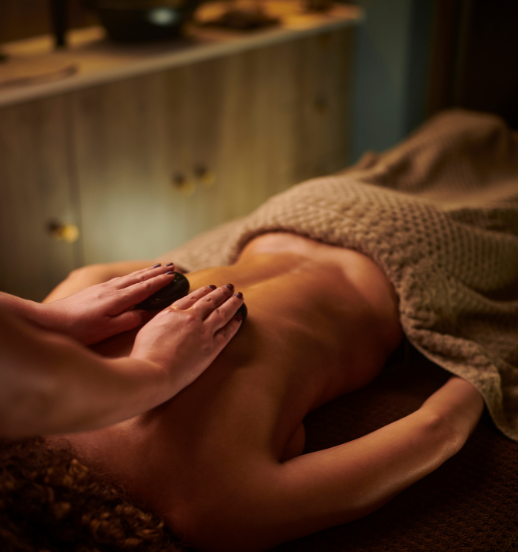
This treatment is scientifically designed specifically to the cycle of menstruation. Therapists target acupressure in the abdomen and lower back (e.g. the Spleen 6-point) feet, as well as the lower back to relieve tension and relax the nervous systems. The approach may involve warming stones or ginger compresses to ease muscles and increase the flow of blood to the pelvis, thereby lessening the intensity of cramps during menstrual cycles (dysmenorrhea) and the bloating. The techniques and pressures employed will depend on the patient's stage.
4. Metabolic and Circulatory Therapy
Women are often plagued by fluid retention and poor circulation, particularly in their legs. Todaki’s “leg care” protocols are designed specifically to increase lymphatic flow and improve venous returns. Therapists use kneading technique and long, gliding strokes to lessen swelling. This treatment has become very well-known, particularly among those who stand for long periods or suffer from poor circulation.
5. Shoulder & Nose Programs for Prevention and Maintenance
Todaki is aware that shoulder tension can be a common complaint. They offer multi-session packages that can help you to improve. Therapists aren't limited to the superficial trapezius, but are also able to target the deeper musculature of the postural like the levator and scalenes. The program includes education about ergonomics, stretches you can practice at home, as well as monitoring progress to break the cycle of chronic pain and avoid future problems, positioning the program as a long-term health investment.
6. Perimenopause and Menopause Support Protocol
This service is designed for women who are experiencing hormonal changes. Treatments focus on alleviating specific complaints like anxiety and insomnia through calming, nervous-system-soothing strokes, reducing joint stiffness and pain through gentle mobilization, and managing "hot flash" discomfort with temperature-regulating techniques. The atmosphere has been created to offer the best level of ease. The therapist offers an incredibly warm and supportive environment during this life-changing change.
7. Emotional Release and Stress Resilience Therapy
The body stores stress and the offer is physical and psychological. The therapists are educated to provide an space where emotional release can be accepted and supported. The focus of treatment is usually on areas that are held by emotional tension, such as the jaw, diaphragm and the psoas muscle. By combining guided breathing and deeply gentle touch, the therapy assists in reducing the nervous system's "fight or flight" into "rest-and digest" to build resilience against stressors to come.
8. The Focused treatment of the head and scalp to treat mental fatigue
This treatment targets mental exhaustion. By combining Acupressure on the scalp and neck, gentle traction of the neck and careful exercise on the small muscles around the skull, it reduces tension headaches and improves mental clarity. The effect is enhanced by using essential oils that are calming like peppermint or lavender. It's an excellent tool for women with mental fatigue that is caused due to multitasking or continual mental demands.
9. Custom-designed aromatherapy integration
Every service offered can be enhanced by a specially-chosen essential oil, selected based on its therapeutic properties. Customers can select blends that stimulate or ease anxiety. You can also pick the right blends to boost mood. This is not an add-on to a massage, but rather a therapy tool that is designed to stimulate the limbic (emotional center) of the brain. It enhances the benefits of massage by enhancing the senses.
10. Pre- and Postoperative Care Programs
Todaki, a company that provides programs to aid in healing after surgery, recognizes the trauma of undergoing surgery. The pre-operative sessions are designed to reduce anxiety, improve circulation, and preparing the body. After-operative treatment involves specialized, extremely gentle methods that are applied only with the consent by a doctor. These methods aim to reduce swelling and improve scar tissue's mobility. They also improve range of motion without disturbing the process of healing. This is an essential complement to the postoperative treatment provided by the traditional healthcare system.
